
12+ Years of Hands-On Equine Bodywork Experience
Nationally Recognized Educator & NBCAAM Certified
Science-Based, Assessment-Driven Approach
Trusted by Vets, Professionals, and Owners

Equine Massage
$125/60 min
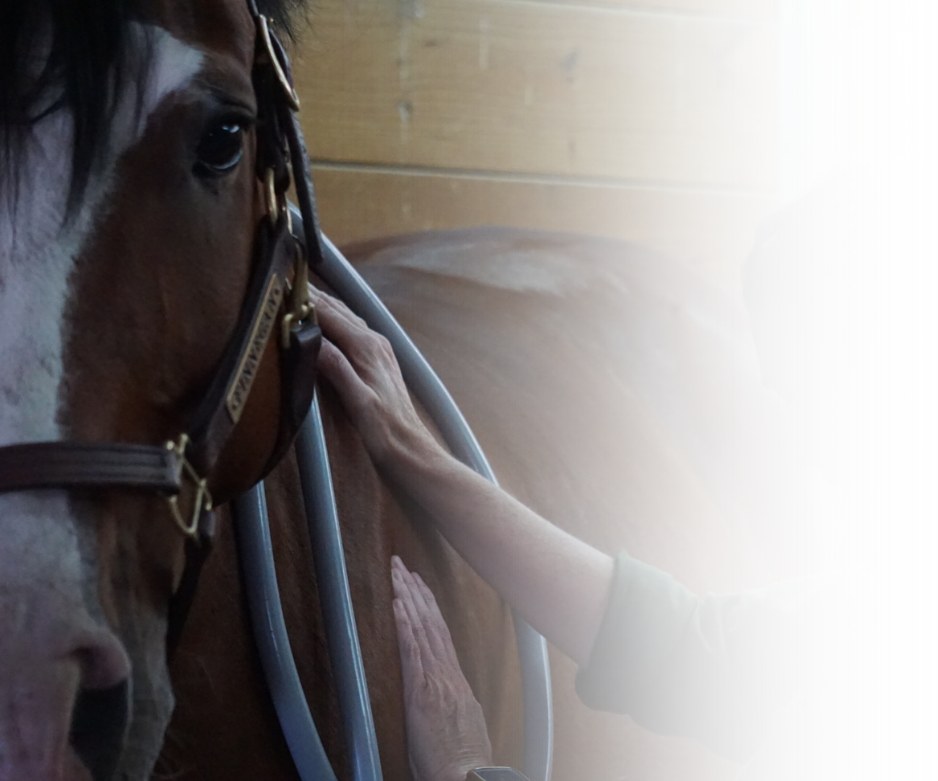
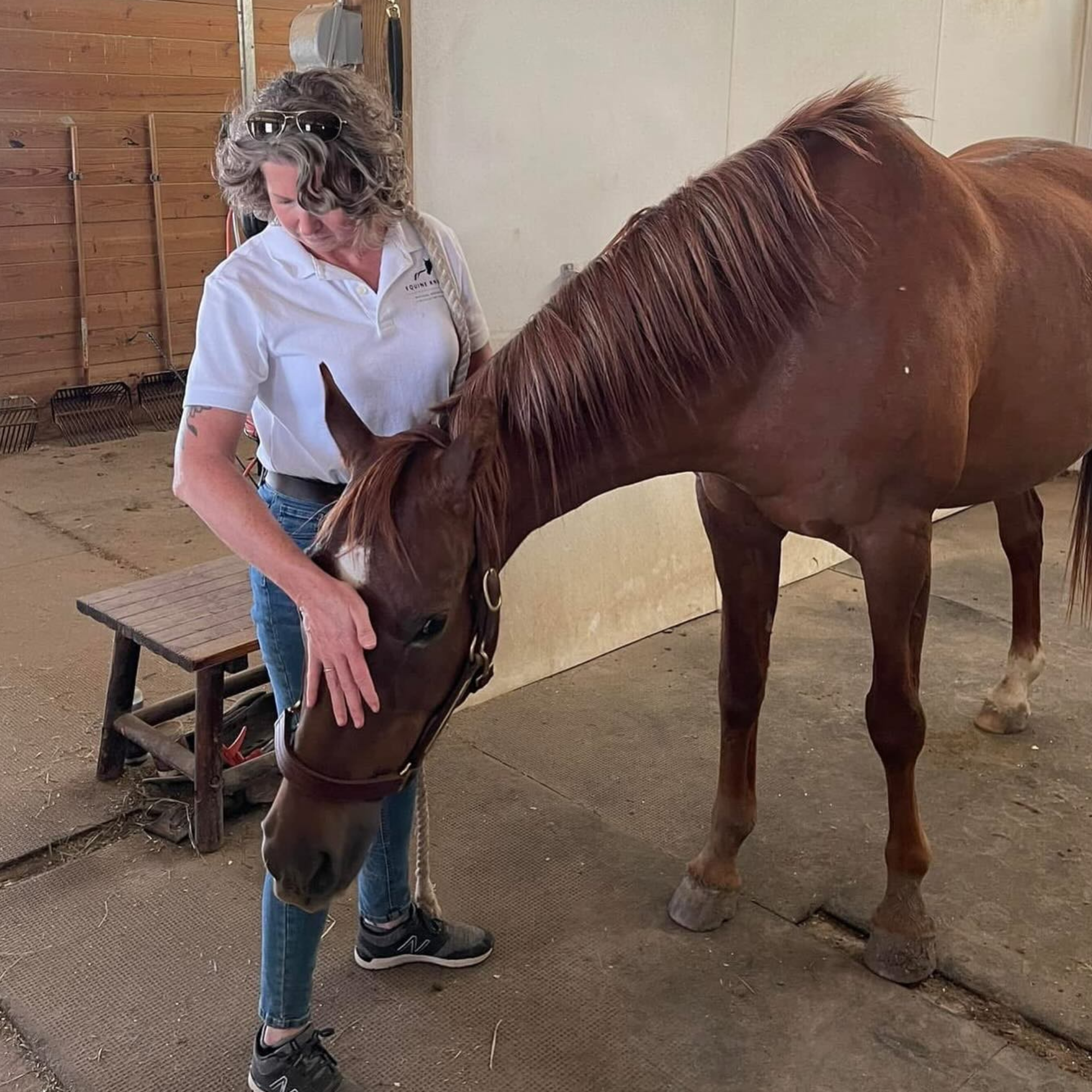
Equine massage supports the horse’s body by addressing muscle tension, improving movement, and promoting overall comfort and relaxation. Each session is tailored to the individual horse and works alongside veterinary, farrier, and training care to support long-term soundness and performance.
-
 Reduced muscle tension and improved mobility
-
Enhanced circulation and recovery
-
Improved relaxation, focus, and willingness
-
Early identification of areas of discomfort
PEMF Therapy
$125/60 min
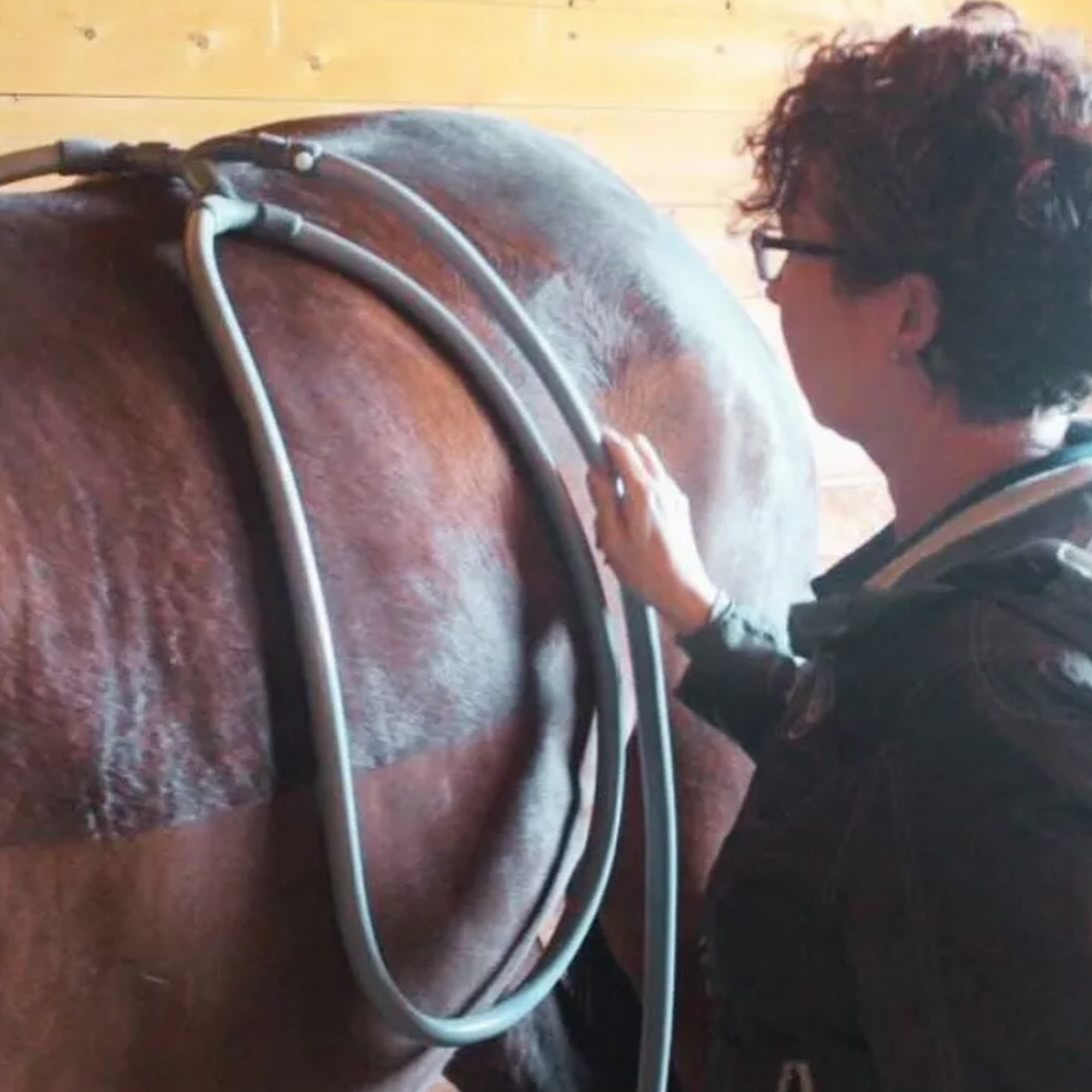
PEMF therapy uses targeted electromagnetic pulses to support cellular communication, circulation, and the body’s natural healing processes. Sessions are tailored to the individual horse and commonly used to support recovery, manage soreness, and promote overall comfort and tissue health.
Available as an add-on to an Equine Massage for $50.
-
Enhanced cellular function and circulation
-
Support for soft tissue, joint, and bone health
-
Reduced stiffness, soreness, and inflammation
-
Improved relaxation and overall comfort
Cryotherapy
$75/6 min
Cryotherapy offers targeted cold therapy to support your horse’s recovery, reduce discomfort, and promote overall wellness. Sessions are tailored to the individual horse and are often used to manage soreness, support post-work recovery, or address localized pain.
$25 for each additional 2 minutes.
-
Targeted pain relief
-
Reduced inflammation and swelling
-
Accelerated recovery from exercise or injury
-
Improved comfort and mobility
Cupping Therapy
$25 (add on therapy)
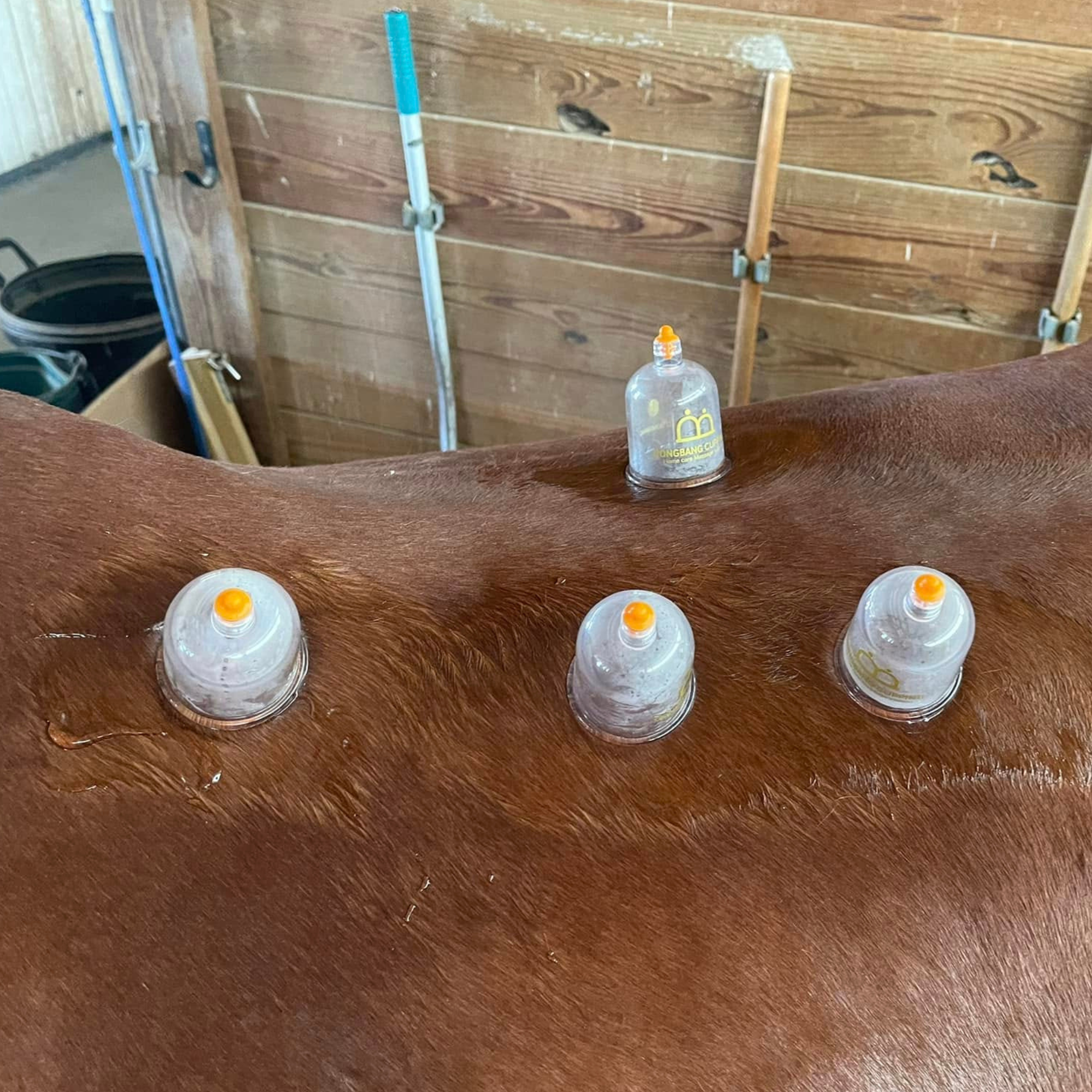
Cupping therapy uses gentle suction to stimulate blood flow, release fascial restrictions, and support your horse’s overall well-being. This hands-on technique can enhance mobility, reduce tension, and promote a healthier, more comfortable body.
-
Increased circulation and tissue oxygenation
-
Release of fascial and muscular restrictions
-
Improved flexibility and range of motion
-
Enhanced overall comfort and wellness
Infrared Light Therapy
$25 (add on therapy)
Infrared light therapy uses safe, targeted wavelengths to penetrate tissues, improve cellular function, and encourage the body’s natural healing processes. This non-invasive treatment supports recovery and provides relief from a variety of musculoskeletal conditions.
-
Improved cellular function and circulation
-
Encouraged healing and tissue repair
-
Relief from muscle stiffness, soreness, and tension
-
Enhanced overall comfort and well-being
Therapeutic Ultrasound
$25 (add on therapy)
Equine therapeutic ultrasound uses high-frequency sound waves to deliver targeted mechanical stimulation, with thermal effects when indicated, to deeper tissues such as muscles, tendons, ligaments, and joint capsules.
It is commonly used to support tissue healing, mobility, and recovery.
-
Supports tissue healing by improving local circulation and cellular activity
-
Enhances tissue elasticity and extensibility
-
May help improve range of motion in targeted joints and soft tissues
-
Can assist with scar tissue and adhesion management
Neuromuscular Therapy
$125/90 min
Neuromuscular therapy is a targeted, hands-on approach designed to address the subtle intricacies between the nervous system and muscular function. By focusing on specific areas of tension, restriction, and imbalance, this therapy helps improve communication between nerves and muscles, supporting more efficient movement and lasting comfort.
-
Release of chronic muscle tension and trigger points
-
Improved neuromuscular communication and coordination
-
Support for balanced movement and performance
-
Enhanced comfort and overall body awareness
Craniosacral Therapy
$125/90 min
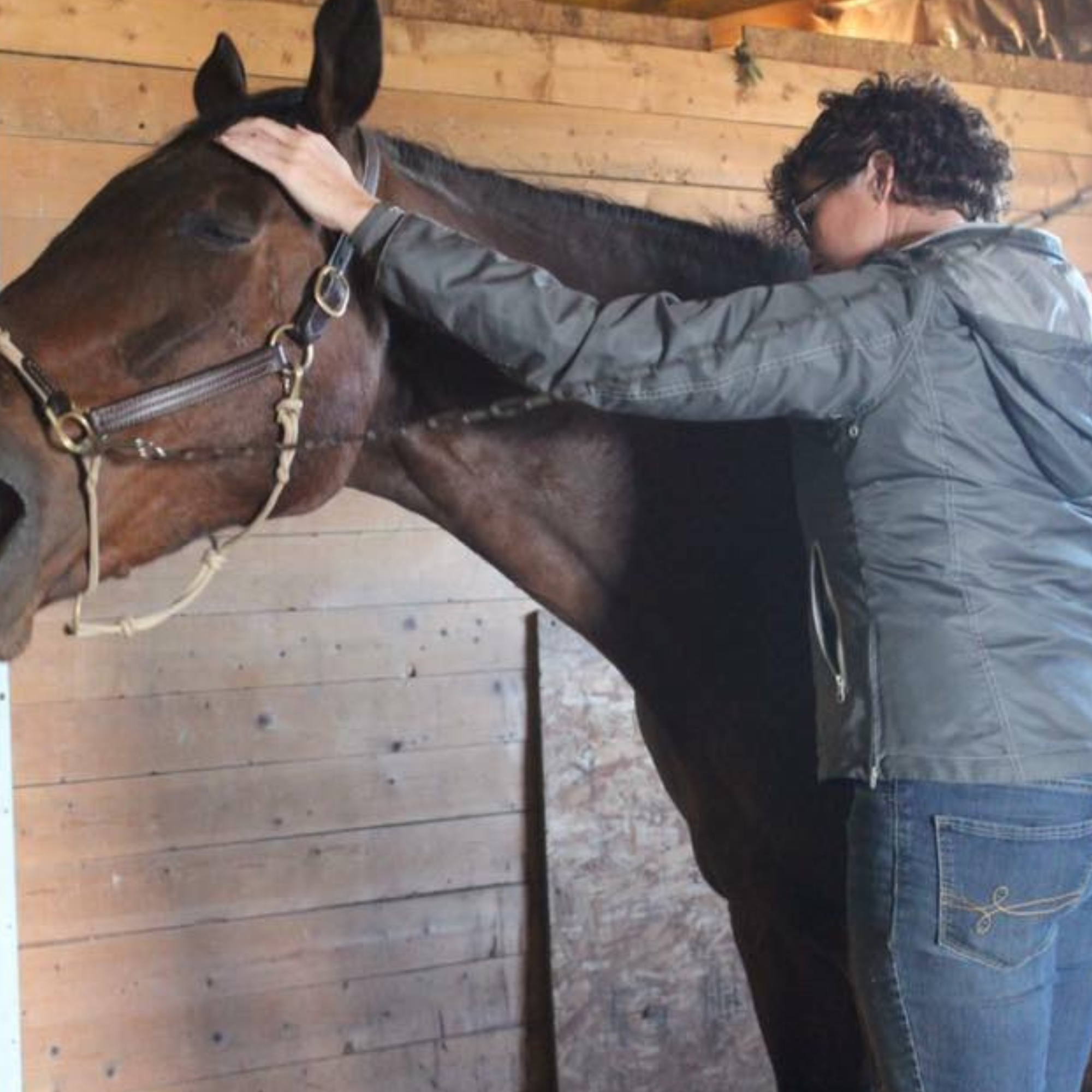
Craniosacral therapy is a gentle, hands-on technique that enhances your horse’s physical comfort, emotional balance, and overall performance. By working with the craniosacral system, this therapy helps release tension, improve nervous system function, and support optimal movement.
Available as an add-on to an Equine Massage for $50.
-
Increased physical comfort and relaxation
-
Improved emotional balance and stress reduction
-
Enhanced athletic performance and movement efficiency
-
Support for the nervous system and overall well-being
-
24/7 online support
Massage & Bodywork Package
$175/90 min
This all-in-one package combines multiple healing modalities to provide comprehensive care for your horse. Each session is tailored to your horse’s needs, addressing muscle tension, discomfort, and overall well-being.
-
Craniosacral Therapy: Elevates physical comfort, emotional harmony, and athletic performance
-
Infrared Light Therapy: Improves cellular function, encourages healing, and provides relief from musculoskeletal conditions
-
PEMF Therapy: Alleviates pain, reduces inflammation, and accelerates recovery
-
Cupping Therapy: Stimulates blood flow, releases fascial restrictions, and supports overall wellness
-
Neuromuscular Therapy: Targets the subtle intricacies of muscles and the nervous system
-
Cryotherapy: Expedited healing, pain management, and reduced inflammation
New Client Assessment
$250/90 min
Our comprehensive New Client Assessment provides an in-depth evaluation of your horse’s musculoskeletal structure, movement patterns, and overall health. Every new horse receives this assessment to ensure care is tailored to their unique needs.
-
Thorough evaluation of muscles, joints, and movement
-
Identification of areas of tension, discomfort, or restriction
-
A customized care plan designed specifically for your horse’s needs
Virtual Evaluation
$75/session
Our Virtual Evaluation provides a convenient way to address your horse’s needs from anywhere. You’ll receive personalized guidance and practical steps forward in addressing concerns you might have.
-
Live consultation via phone or video
-
Quick, actionable recommendations tailored to your horse
-
Solutions for movement, comfort, or performance concerns
Rehab Assessment & Plan
$250/one-time fee
Our Rehab & Assessment Plan provides a personalized evaluation and a tailored rehabilitation program designed to support your horse’s recovery and long-term wellness. Each plan is crafted to ensure comprehensive, cohesive care and integrates seamlessly with your existing equine care team.
-
Detailed assessment of musculoskeletal structure and movement
-
Customized rehabilitation plan targeting your horse’s specific needs
-
Coordinated support with veterinarians, farriers, and other professionals
-
Guidance to optimize recovery, performance, and overall comfort
Equine Massage and Bodywork Reference Guide
$29.96
A must-have for every horse owner who wants to better support their horse’s health and comfort. This beginner-friendly guide covers everything you need to start safely and confidently:
- Key anatomy and massage concepts
- Palpation and assessment techniques
- 10 safe, effective massage strokes
- When to massage—and when not to
- Safety tips and guidance on involving your care team
Created by a certified equine bodyworker and educator, this guide is professionally written to help you care for your horse with confidence and skill.